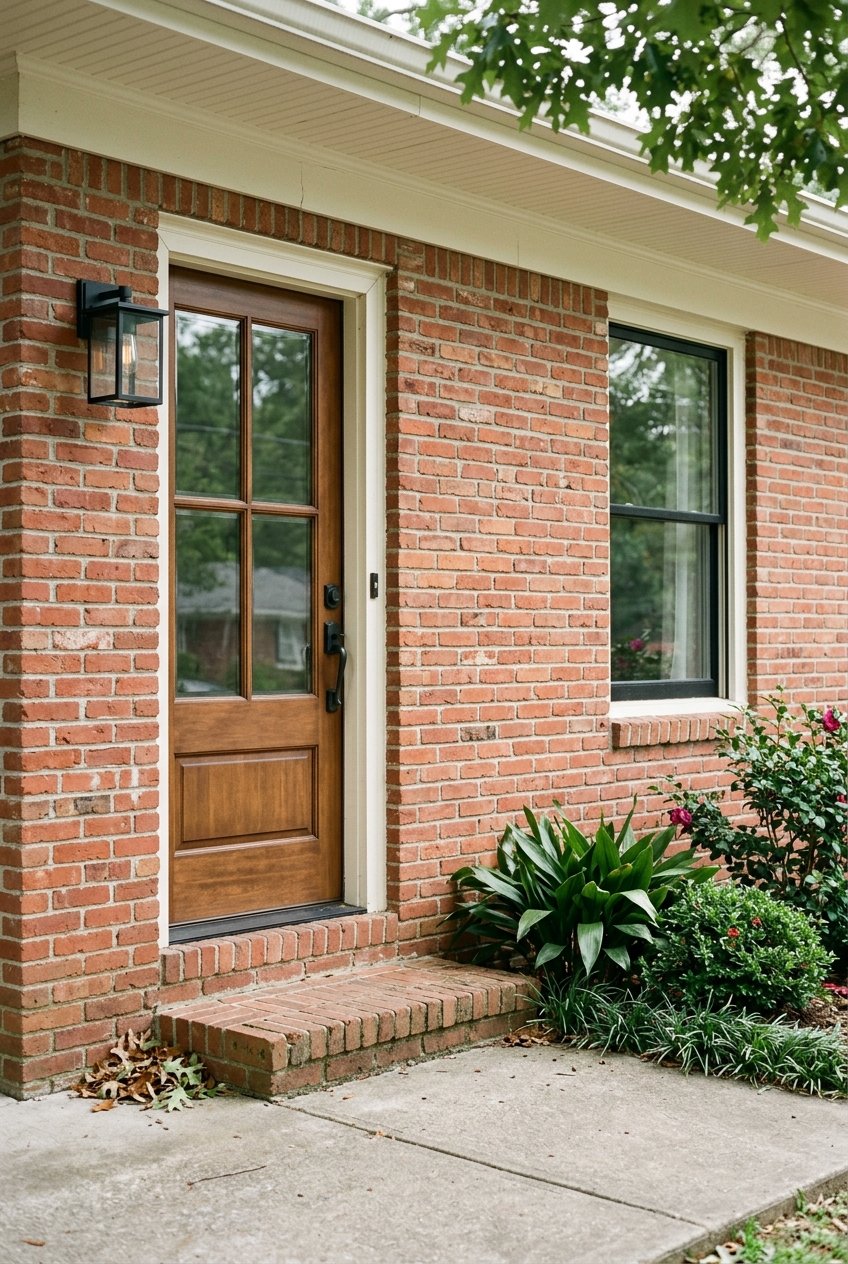
Thinking about renovating a historic home in Tyler’s Azalea District? It’s easy to fall in love with the charm first and discover the rules, timelines, and repair needs later. If you’re considering a home in 75701, this guide will help you understand what makes the Azalea District unique, what updates often come with these properties, and how to plan your renovation with fewer surprises. Let’s dive in.
Why the Azalea District Matters
Tyler’s Azalea Residential Historic District is the city’s largest residential concentration of early- to mid-20th-century homes. The district was listed in the National Register of Historic Places on June 23, 2003, and it includes a wide mix of architectural styles such as Queen Anne, Craftsman, Classical Revival, Ranch, Tudor, and International.
That variety matters when you start planning repairs or updates. Homes in the district can date from the 1900-1924, 1925-1949, and 1950-1974 periods, so renovation needs can look very different from one property to the next. One house may need porch restoration and window repair, while another may need electrical, plumbing, or HVAC updates.
It also matters because historic status can affect how exterior work is reviewed. In Tyler, a Certificate of Appropriateness, often called a COA, is required before exterior construction, reconstruction, alteration, removal, or demolition for properties in a local or national district. Because rules can vary by parcel, it’s important to verify each address individually before you make renovation plans.
What Buyers Should Expect
Most historic-home renovations in the Azalea District are not complete rebuilds. More often, they involve a series of thoughtful repairs and upgrades that improve comfort, function, and long-term maintenance while protecting the home’s visible character.
Common renovation projects often include:
- Roof work
- Porch and exterior wood repair
- Window repair or selective replacement
- Kitchen and bathroom updates
- HVAC modernization
- Electrical updates
- Plumbing replacement
- Drainage or site improvements
If you’re buying one of these homes, it helps to think in phases. Older homes often reveal issues in layers, especially once work begins. A careful plan can help you prioritize what needs immediate attention and what can be tackled over time.
Exterior Changes Need More Planning
A simple rule of thumb is this: the more visible a change is from the street, the more carefully you should plan it. In Tyler’s preservation process, exterior changes usually get the most attention, especially if they affect rooflines, porch proportions, facade materials, window openings, or other defining features.
Tyler’s Historic Preservation Board reviews exterior alterations such as additions and replacement of historic materials and issues Certificates of Appropriateness. The board generally does not have jurisdiction over interiors, which means many interior updates are less constrained by preservation review. Even so, building-code requirements can still apply to interior work.
That is why it helps to separate your renovation into two tracks:
- Preservation review for exterior work
- Building-code and permit review for the construction itself
When you understand both tracks early, you can avoid delays and make better decisions about budget and timing.
Windows, Porches, and Original Details
Historic homes often have features that give them their identity, and in the Azalea District, that can include original trim, windows, doors, masonry, and porch details. Rehabilitation guidance from the National Park Service recommends retaining historic character whenever possible and repairing deteriorated historic features before replacing them.
Windows are a common example. If a window can be repaired, that is generally the preferred path. If replacement is necessary, the new window should match the old one in design, color, texture, and visual qualities.
The same mindset usually applies to porches and exterior woodwork. Preserving original proportions and details can help the home keep the look that made it special in the first place. For buyers, this can also mean your renovation choices may require more patience than a standard cosmetic flip.
Additions Can Work With Historic Homes
Yes, you can often add onto a historic home, but placement and design matter. Rehabilitation guidance says additions should be compatible with the historic building, and they are often best located at the rear or on a less visible side.
In practical terms, that means the addition should not overpower the original house. A well-planned project usually feels secondary to the historic structure rather than competing with it.
If you love the Azalea District but need more living space, this is an important point. You may not have to choose between charm and function, but you will likely need a thoughtful design approach and enough lead time for review.
Permits in Tyler Can Be Broader Than Expected
One surprise for many buyers is that permit requirements may cover more work than expected. Tyler’s Development & Planning materials say permits are required for several categories of residential work, including building, roof, electrical, and plumbing permits.
The city also notes that a permit is required to replace sheetrock. Retaining walls require permits as well, and retaining walls over four feet need engineered plans signed and sealed by a licensed engineer.
This is one reason historic-home renovations benefit from careful scoping before closing or immediately after. Work that seems minor at first can affect timeline, cost, and city review.
How Long the Review Process Takes
Timing matters, especially if you are trying to move in quickly or coordinate contractors. Tyler says residential permit review usually takes about five business days after a two-business-day prescreening once the submittal is complete.
For historic exterior work, you may also need to plan around the Historical Preservation Board schedule. The board meets on the first Wednesday of each month at 1:30 p.m., so missing a meeting window can affect your project timeline.
That does not mean the process is unmanageable. It just means your renovation timeline should include room for review, revisions, and approval before construction starts.
Comfort and Character Can Coexist
One of the biggest concerns buyers have with historic homes is whether they can enjoy modern comfort without losing what makes the house special. In many cases, the answer is yes. The goal of rehabilitation is to support continued use while preserving the features that carry the home’s architectural and historical value.
That often means saving original materials where feasible, upgrading systems behind the scenes, and placing modern equipment where it is less visible. It can also include weatherization and energy-saving improvements as part of the broader renovation plan.
A preservation-minded approach is not about freezing a house in time. It is about making smart updates that respect the home’s character while improving day-to-day living.
Tax Credits Usually Do Not Apply to Primary Homes
Tax incentives sometimes come up in conversations about historic properties, but most primary-residence buyers in the Azalea District should not count on them. The Texas Historical Commission says the state historic tax credit is a 25 percent credit for certified rehabilitations of historic income-producing or nonprofit-use buildings, and owner-occupied residential properties are not eligible.
The federal historic rehabilitation credit also applies to qualifying income-producing buildings. For most buyers planning to live in the home, renovation planning is usually more about budgeting, sequencing, permit review, and preserving character than chasing tax credits.
A Smart Buying Strategy for Azalea Homes
If you are considering a historic home in Tyler’s Azalea District, a little upfront homework can protect you from costly surprises later. These homes can be incredibly rewarding, but they usually perform best when you approach them with realistic expectations and a clear plan.
Before you move forward, focus on these basics:
- Verify the exact parcel status before planning work
- Review likely exterior changes early
- Budget for both visible updates and behind-the-walls systems
- Expect permit and review timelines to affect scheduling
- Prioritize repair over replacement when feasible
- Think in phases if the home needs broad updates
When you buy with the right strategy, you can enjoy the beauty, history, and everyday livability that make the Azalea District such a special part of Tyler.
If you’re exploring historic homes in Tyler or want help evaluating what a renovation-ready property could look like for your lifestyle and budget, Breana Johnson is here to help you navigate the details with local insight and responsive, full-service support.
FAQs
Do homes in Tyler’s Azalea District always need special approval for renovations?
- Not always for every project, but exterior construction, reconstruction, alteration, removal, or demolition may require a Certificate of Appropriateness, so you should verify the exact parcel before planning work.
Can you replace windows in a historic home in Tyler’s Azalea District?
- Yes, but repair is generally preferred first, and if replacement is necessary, the new windows should closely match the historic windows in design and appearance.
Do interior renovations in Tyler historic homes require city permits?
- Sometimes, yes. Tyler requires permits for certain interior work, including sheetrock replacement, and many structural, electrical, plumbing, or mechanical changes may also require permits.
Can you build an addition on a historic home in Tyler’s Azalea District?
- In many cases, yes. Additions should be compatible with the historic home and are often best placed at the rear or on a less visible side.
Do owner-occupied historic homes in Tyler qualify for Texas historic tax credits?
- No. According to the Texas Historical Commission, owner-occupied residential properties are not eligible for the state historic tax credit.
How long do Tyler residential permit reviews usually take?
- Tyler says residential permit review usually takes about five business days after a two-business-day prescreening once a complete submittal is received.