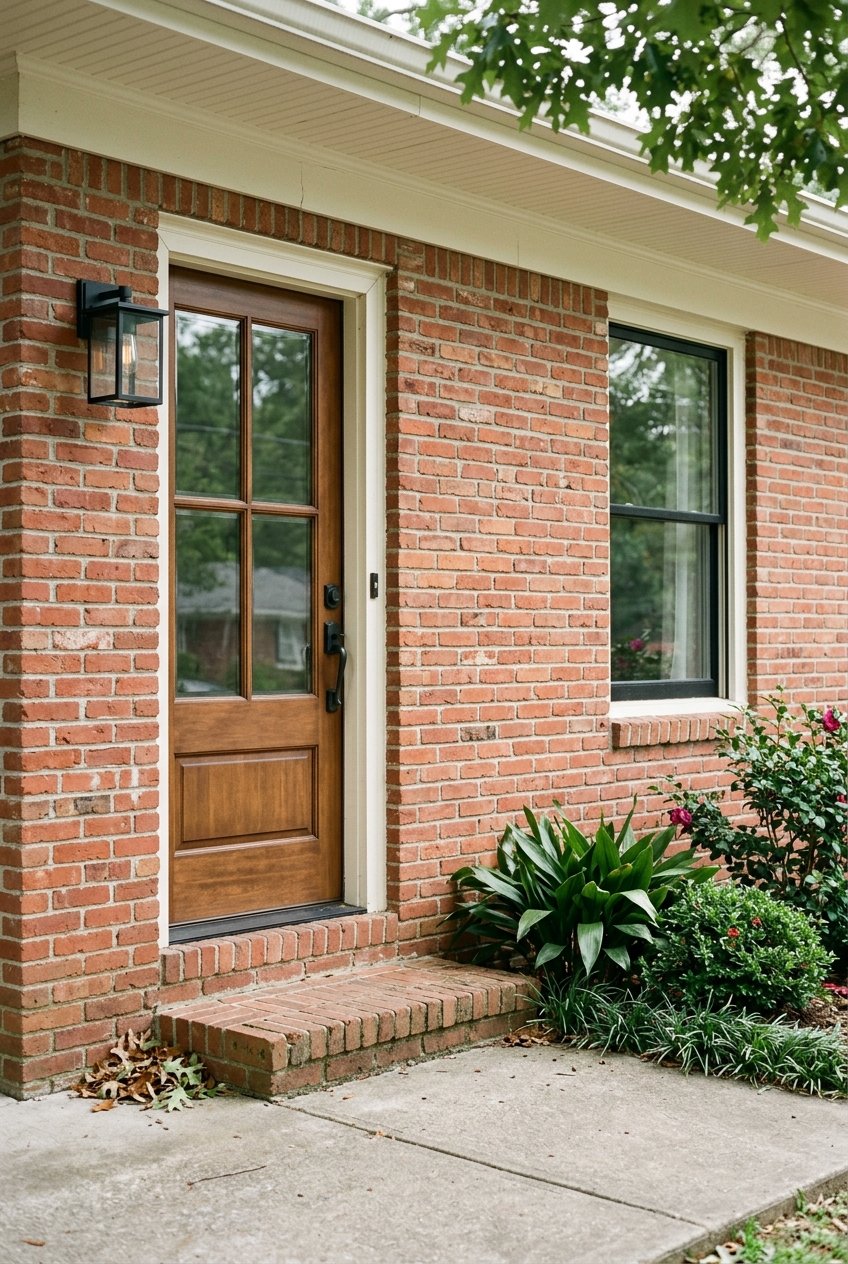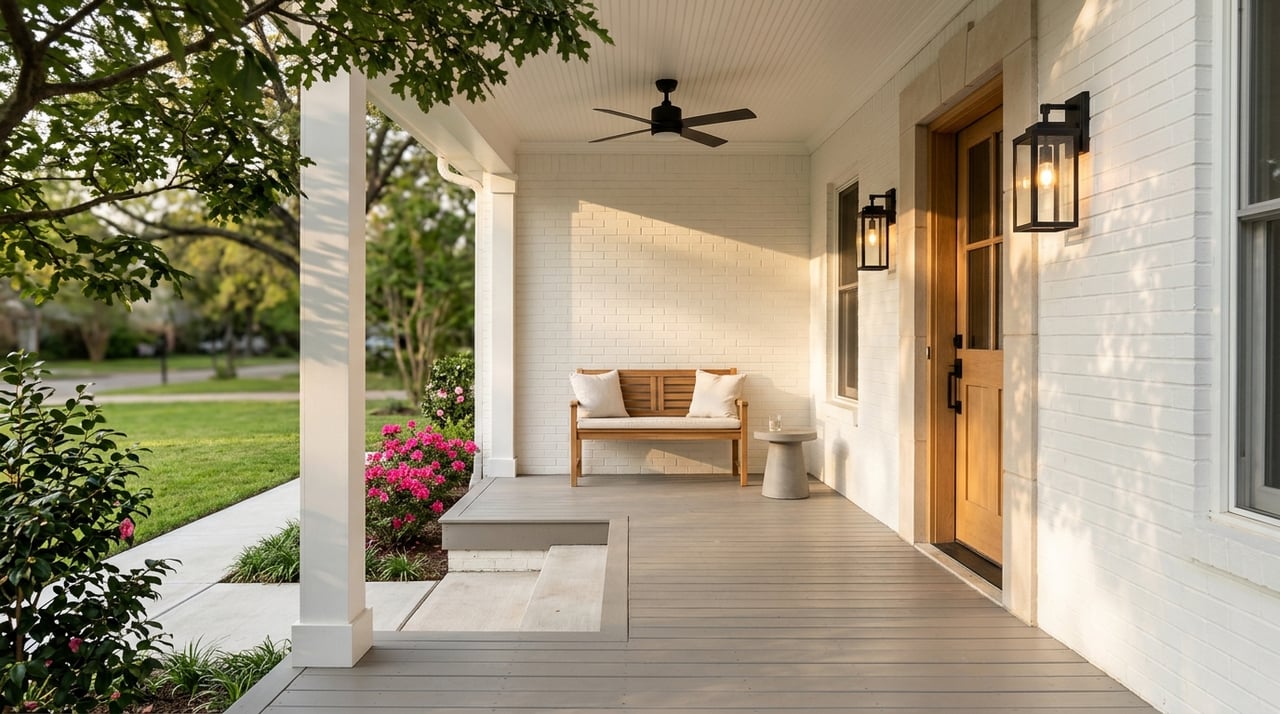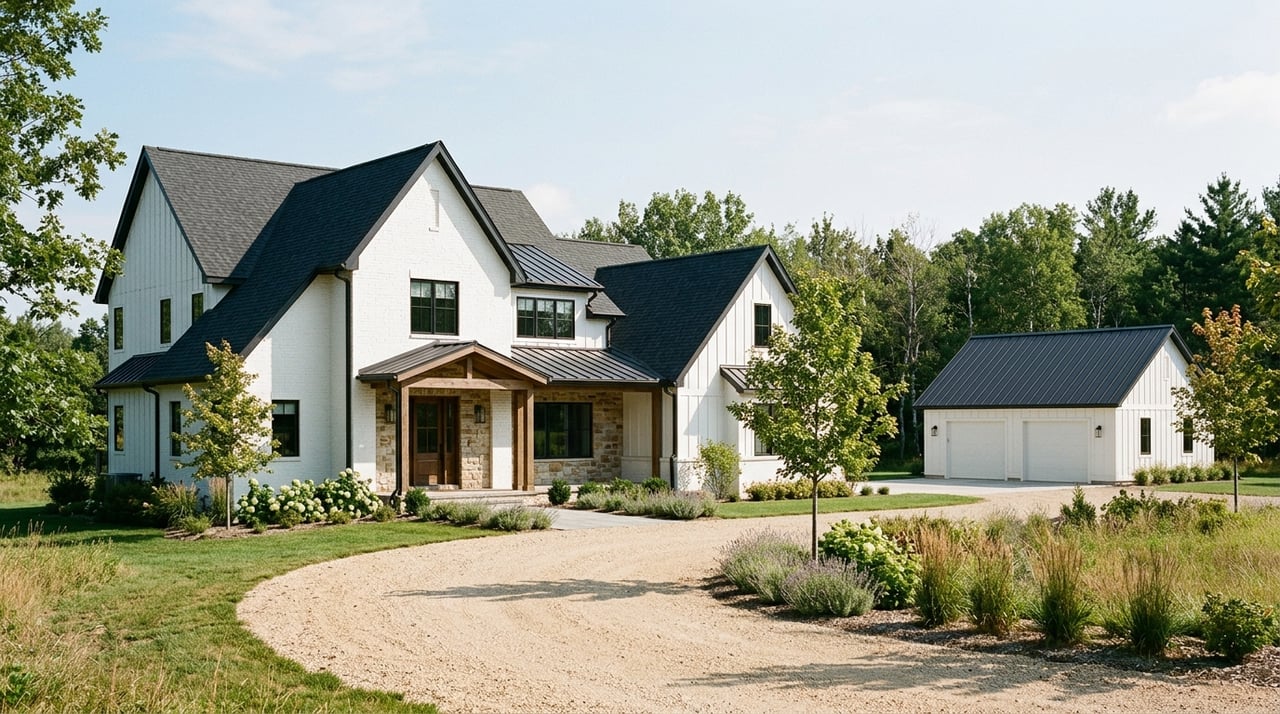
Dreaming about a little more elbow room without feeling far from town? Country acreage near Lindale gives you a chance to enjoy open space, flexible land use, and the everyday conveniences that still matter when you call East Texas home. If you are wondering what acreage living really looks like here, this guide will walk you through lifestyle benefits, common property types, and the practical details you will want to verify before you buy. Let’s dive in.
Why Lindale Appeals to Acreage Buyers
Lindale offers a blend that many buyers are looking for: room to spread out with a community base nearby. The city is in Smith County at the intersection of Interstate 20 and U.S. Highway 69, and local economic-development messaging describes it as a rapidly growing community about 90 minutes from the DFW metroplex.
The setting also plays a big role in the appeal. East Texas is known for rolling hills, piney woods, and clear lakes, which naturally fits buyers who want a more rural feel and usable land.
Lindale also gives country buyers access to everyday community features close to town. Lindale ISD includes six campuses, and Texas School Report Cards show total enrollment of 4,589 for the 2024-25 school year. The city’s parks inventory also includes Pool Park, Downtown Park, and Faulkner Park, with trails, open space, and sports fields.
What Country Acreage Usually Means
In practical terms, country acreage near Lindale often means more than just a large yard. It usually refers to land that can support a home plus other uses such as storage, grazing, crops, wildlife habitat, or hobby-scale operations.
Texas A&M AgriLife guidance explains that bona fide agricultural use can include cultivating soil, producing crops, raising livestock, poultry, or fish, planting cover crops, and certain specialty crops. The same guidance also notes that barns, sheds, and similar buildings used for hay storage, equipment repair, or other working-land purposes are normal parts of farm and ranch use.
That flexibility is one reason acreage properties attract so much interest. You may be looking for a place with a shop, extra outbuildings, pasture space, or simply a homesite with room to grow into over time.
Home Options You May Find Near Lindale
Acreage properties around Lindale can look very different from one listing to the next. Some are move-in-ready homes on manageable tracts, while others offer larger parcels with more room for agricultural or recreational use.
You may come across options like:
- Established homes with a few acres and space for storage buildings
- Rural homesites with pasture or partially wooded land
- Properties with barns, sheds, or equipment storage
- Tracts with room for hobby-scale livestock or crop use
- Larger parcels suited for buyers who want more privacy and flexibility
- Vacant land where you can plan a future homesite
The right fit depends on how you want to live on the property. For some buyers, acreage is mostly about privacy and outdoor space. For others, it is about having land that supports a more hands-on lifestyle.
The Lifestyle Side of Acreage Living
One of the biggest draws of country acreage is flexibility. Instead of being limited to a standard suburban lot, you may have room for projects, recreation, storage, and land uses that better match your goals.
That said, acreage living is usually more hands-on. Texas landowner guidance points to responsibilities tied to water, fencing, easements, and land-use decisions, so the tradeoff for extra freedom is often extra management.
For many buyers, that tradeoff is worth it. If you want a property that feels more personal and adaptable, acreage near Lindale can offer a lifestyle that is hard to match in a typical neighborhood setting.
What to Know About Agricultural Use
A common question is whether a small tract can qualify for agricultural use. In Texas, acreage alone is not the deciding factor.
Texas A&M AgriLife says small tracts can qualify when they are used for a bona fide agricultural purpose at the degree of intensity typical in the area. The Texas Comptroller also says qualifying agricultural or wildlife-management land is appraised on productivity value rather than market value.
Just as important, not every country property qualifies. AgriLife specifically notes that a backyard garden or a small pen of animals does not automatically make land a farm or ranch.
Why Tax Status Needs a Closer Look
If a property is being marketed with agricultural value in mind, you will want to verify the details carefully. The Texas Comptroller says land must be principally devoted to agricultural use at the degree of intensity typical for the area, and a change from agricultural to non-agricultural use can trigger rollback taxes.
In Smith County, agricultural appraisal is administered locally by Smith CAD. That makes local verification especially important before you rely on tax assumptions during your home search.
This is one area where good guidance matters. A property may look like it should qualify on paper, but the actual status and use history need to be confirmed through the proper local channels.
Septic Systems Are Common on Acreage
Many rural homes in Texas use on-site sewage facilities, often called septic systems. The Texas Commission on Environmental Quality says these systems must be designed using a site evaluation, and permits are required before construction, installation, repair, extension, or alteration.
This matters because some buyers assume that more land means fewer rules. TCEQ does describe a narrow 10-acre exemption path in limited situations, but acreage alone does not mean septic permitting can be skipped.
For Lindale-area properties, NET Health’s Environmental Health Department covers all cities and unincorporated areas within Smith County. That makes countywide environmental-health review an important part of due diligence when you are buying outside a typical city utility setup.
Private Wells Need Verification Too
Private wells are another common feature on country properties. The Texas Groundwater Protection Committee says private well owners are responsible for water quality, which means testing and ongoing maintenance are part of ownership.
That responsibility should be taken seriously during the buying process. NET Health’s regional laboratory offers water testing services and notes that it is TCEQ-certified, which can be useful if the property relies on a private well.
The Texas Well Owner Network also provides training for Texans who depend on household wells, including information about groundwater sources, water quality, treatment, and maintenance. If a home has a well, it is smart to understand both current condition and long-term care expectations.
Land Maintenance Is Part of the Deal
Acreage can be beautiful, but it rarely stays low-maintenance on its own. Brush control, mowing, and erosion management are part of everyday ownership for many East Texas properties.
Texas A&M Forest Service says East Texas brush commonly includes yaupon, greenbrier, grapevine, Chinese privet, Chinese tallow, and immature trees when they interfere with the intended use of the land. Routine control may involve mowing, mulching, herbicide, prescribed fire, or other mechanical methods.
That means a property’s appearance during a showing is only part of the story. You will also want to think about what it takes to maintain the land over time and whether the property’s current condition matches your comfort level.
City Limits Versus County Oversight
Not every acreage property near Lindale falls under the same service structure. Inside city limits, Lindale’s annual report says the city provides planning and zoning, streets, solid waste, and water and sewer services.
Outside the city, buyers should expect to confirm which county or district office applies to environmental health, water questions, and appraisal matters. In Smith County, that point is especially important because NET Health serves the countywide environmental-health role.
This can affect your day-to-day expectations as well as your due diligence checklist. Before making an offer, it helps to know exactly which offices and rules apply to the property you are considering.
What to Verify Before You Make an Offer
Acreage purchases often involve more moving parts than a typical in-town home. Doing your homework early can help you avoid surprises later.
Here are some of the key items to verify:
- Septic system status and permitting history
- Private well condition and water testing needs
- Access, road frontage, and recorded easements
- Whether the tract is inside city limits or in an unincorporated area
- Current land use and whether any agricultural appraisal is in place
- The general maintenance needs of the land, including brush and erosion concerns
When you understand these details up front, you can make a more confident decision about whether a property truly fits your goals.
Finding the Right Acreage Fit
Country acreage near Lindale can offer a lifestyle that feels spacious, flexible, and connected to the character of East Texas. You may be able to enjoy more privacy, more usable land, and more options for how your property supports daily life.
The key is matching the property to the way you actually want to live. Some buyers want a manageable homesite with room for a shop, while others are searching for land that supports agriculture, recreation, or a longer-term vision.
If you are exploring acreage near Lindale and want a local guide who understands both the lifestyle side and the practical side of these properties, Breana Johnson can help you navigate your options with clear, hands-on support.
FAQs
What does country acreage near Lindale usually include?
- Country acreage near Lindale often means land that supports a home plus uses like storage, grazing, crops, wildlife habitat, or hobby-scale operations.
Can a small acreage tract near Lindale qualify for agricultural use?
- Yes, a small tract can qualify in Texas if it is used for a bona fide agricultural purpose at the degree of intensity typical in the area, but acreage size alone does not guarantee qualification.
Do gardens or a few animals count as agricultural use in Texas?
- No, a backyard garden or a small pen of animals does not automatically make a property a farm or ranch under Texas agricultural appraisal guidance.
Do Lindale-area acreage homes usually need septic review?
- Many rural homes use septic systems, and TCEQ says permits are generally required before construction, installation, repair, extension, or alteration, so buyers should verify the specific property status.
Should you test water for a private well near Lindale?
- Yes, private well owners are responsible for water quality, and water testing is an important part of evaluating a country property.
What should buyers verify before purchasing acreage near Lindale?
- Buyers should verify septic status, well condition, water testing needs, access and easements, whether the tract is inside city limits, and whether any agricultural appraisal is currently in place.