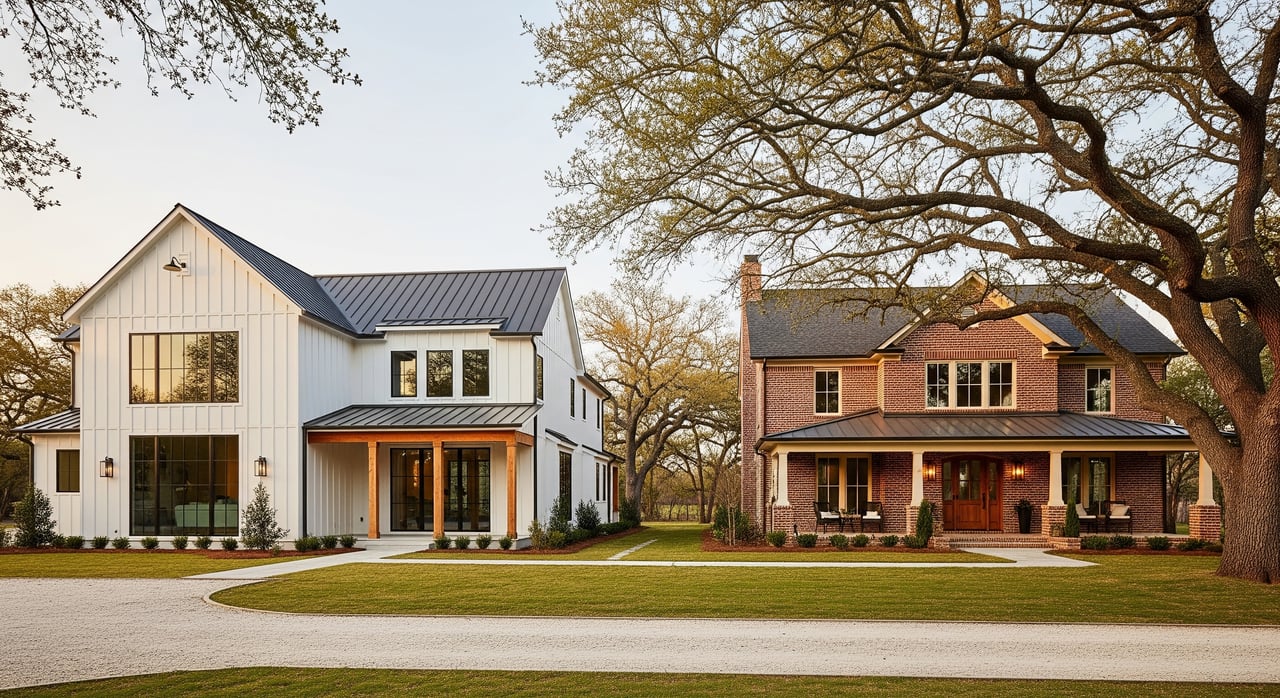
Torn between the excitement of a brand-new build and the charm of an established home in Whitehouse? You are not alone. Choosing between new construction and resale affects your budget, timeline, maintenance, and future resale plans. In this guide, you will learn the key trade-offs, the questions to ask, and practical steps tailored to Whitehouse and Smith County so you can move forward with confidence. Let’s dive in.
Whitehouse market context
Whitehouse sits just south of Tyler, which makes it a convenient base for commuters, remote workers, and anyone who wants quick access to city amenities while enjoying a community feel. New subdivisions continue to add options, while established neighborhoods offer mature lots and character. In Texas, property tax rates play a big role in your monthly payment, so it is smart to estimate taxes early. Always verify school zones and accountability ratings through Whitehouse ISD and the Texas Education Agency.
New vs resale at a glance
| Category | New Construction | Resale |
|---|---|---|
| Upfront cost | Base price plus lot premium and upgrades; some items like landscaping or window coverings may be extra | Negotiated price; may need immediate repairs or updates |
| Closing costs | Builder incentives may include closing cost help or rate buydowns; read the fine print | Seller concessions depend on market conditions |
| Ongoing costs | Property taxes may adjust as new neighborhoods appraise; HOAs common in new subdivisions | Taxes based on existing assessments; HOA varies by neighborhood |
| Timeline | Months from contract to completion; weather or materials can delay | Often 30 to 60 days to close, faster occupancy |
| Customization | Choose plans, finishes, and tech packages within builder offerings | Limited to what exists, with remodel potential after closing |
| Maintenance | Lower near-term repairs; builder warranty coverage | Systems may be older; plan for replacements |
| Warranty | Typical workmanship and structural warranties; terms vary by builder | No builder warranty; rely on inspections and disclosures |
| Financing | Construction or builder-arranged options; compare incentives with independent lenders | Conventional, FHA, VA, or USDA (property eligibility applies) |
| Resale prospects | Modern features appeal to buyers; initial comps may take time in a brand-new area | Depends on neighborhood fundamentals and condition |
Cost to own
Buying new or resale is about your total cost to own, not just sticker price. With new construction, factor in lot premiums, upgrades, landscaping, blinds, and potential impact or utility connection fees. With resale, weigh the negotiated price against immediate repair needs and any updates you plan to complete in year one.
Consider these ongoing costs for either path:
- Property taxes set by local jurisdictions in Smith County. New builds may see assessed values adjust as the subdivision sells out.
- HOA dues, which are common in newer communities. Confirm rules, amenities, and enforcement.
- Maintenance and utilities. New systems are typically more efficient, while older homes may need near-term replacements.
Quick formula to compare first-year cost:
- Total first-year cost equals purchase price plus closing costs plus immediate repairs or upgrades plus estimated property taxes plus HOA dues plus homeowners insurance.
Timeline and flexibility
If you value design choices and do not mind waiting, new construction can fit well. The build process often spans several months and can shift due to weather, permitting, or material availability. Resale can place you in a home faster, often in 30 to 60 days with financing, which helps if you are coordinating a sale or lease end.
- New construction trade-off: customization and new systems in exchange for a longer timeline.
- Resale trade-off: faster move-in with fewer design choices upfront.
Condition and efficiency
New homes typically meet current energy codes, which can include tighter insulation, efficient HVAC, and modern windows. You also get new appliances, contemporary layouts, and smart-home features. Still, expect a punch list. Even new homes have items to fine-tune after move-in.
Resale homes offer established landscaping, mature trees, and the potential to renovate for value. Ask about the age of the roof, HVAC, water heater, and electrical panel. In East Texas, termite prevention and soil conditions matter, so review any termite treatment history and ask for pest-related documentation.
Financing basics
You can finance a new build with a construction loan that converts to a permanent mortgage or with a builder’s preferred program. Builders sometimes offer closing cost assistance or rate buydowns. Compare those incentives with quotes from independent lenders to see the real net benefit.
For resale, conventional, FHA, VA, or USDA loans are common, subject to property eligibility and your qualifications. If you need to sell before you buy, talk through bridge financing, rent-back options, or contingencies to time both closings smoothly.
Future resale factors
Think beyond day-one features to what will attract buyers in five to ten years. Neighborhood fundamentals influence demand, including school zoning, lot size, curb appeal, and community amenities. In new subdivisions, expect some competition from similar homes until the area matures and resale comps establish. For established neighborhoods, updates and maintenance history help you stand out.
Risks and protections
Every purchase has risk. New builds can face delays, change orders, grading and drainage issues, and warranty disputes. Resales can hide defects in foundations, plumbing, or roofs. Protect yourself with third-party inspections, even on new homes. Ask for full builder warranty documents, seller disclosures, and a recent survey when available. In East Texas, evaluate drainage, trees near the foundation, and any flood zone requirements.
- Smart safeguards:
- Hire a third-party inspector. Consider specialized checks like sewer scope, HVAC, and termite.
- Review builder contracts carefully, including remedies for delay and policies on change orders.
- Confirm flood zone status and insurance requirements before finalizing financing.
Buyer profiles
- The customizer with time: You want to pick finishes, prefer modern layouts and technology, and can wait several months. New construction often fits.
- The fast mover: Your timeline is tight due to a job change, lease end, or sale of your current home. Resale or a quick move-in spec home can meet your deadline.
- The budget balancer: You compare every dollar of total cost to own. Resale may offer a lower entry price but could require early repairs, while new builds may include incentives that offset upgrades. Run both scenarios with the same worksheet.
- The long-term planner: You care most about future demand. Focus on neighborhood fundamentals, curb appeal, and maintenance history regardless of new versus resale.
Checklists you can use
Questions for builders
- What is included in the base price and what counts as an upgrade?
- How are lot premiums calculated and are any lots in a floodplain or graded uniquely?
- What is the estimated build timeline and common causes of delay?
- What warranties are provided and who backs them? Are they third-party insured?
- Who performs inspections during construction and at final walk-through?
- How are staged payments, upgrades, selections, and change orders handled?
- Which lender is recommended, and are incentives tied to that lender?
- What are HOA rules, fees, and enforcement practices?
- Are there utility connection fees, impact fees, or shared infrastructure assessments?
- Can you arrange independent pest, termite, or soil inspections?
Questions for resale sellers
- How old are the roof, HVAC, water heater, and electrical panel? Any receipts for work?
- Any past foundation, plumbing, or termite issues or treatments?
- What are average utility costs seasonally?
- Any neighborhood or municipal assessments or special tax districts?
- Is the property in a floodplain or has it had drainage problems?
- Can you review the seller’s disclosure and repair history?
Financing and transaction
- Verify school zoning and the property tax rate before you close.
- For new builds, review the construction contract, timeline, and remedies for delays.
- If selling to buy new, consider bridge financing, rent-back, or contingent timing.
- Get quotes from at least two lenders, including a local option, for both construction-to-permanent and conventional loans.
Inspection documents
- For new builds: builder contract, options list, and change order log.
- Builder warranty documents and claim process overview.
- For resales: seller disclosures, title report, survey, and HOA covenants.
- Closing cost breakdown, prorations, and credits for either path.
Local items to research
- Commute and access: Typical routes into Tyler and traffic patterns during peak hours.
- Schools: Whitehouse ISD boundaries and current TEA accountability ratings.
- Utilities: City water and sewer availability versus septic on the outskirts, plus broadband options for remote work.
- Zoning and growth: Recently approved subdivisions, commercial plans, and road projects that may affect values or traffic.
- Insurance: Flood insurance requirements for any Special Flood Hazard Areas and typical homeowners coverage considerations.
- Natural hazards: Termite prevalence, seasonal storms in East Texas, and local drainage patterns.
- Builders: Production, semi-custom, and custom builders active in Whitehouse and the types of lots they offer.
Next steps in Whitehouse
- Confirm your budget and preferred timeline, then complete a first-year cost comparison for both paths.
- Call the Smith County Appraisal District to estimate property taxes for target neighborhoods.
- Check with the City of Whitehouse Planning and Development for active subdivisions, permits, and utility connections.
- Verify school zoning through Whitehouse ISD and review TEA accountability reports.
- Interview at least two lenders. If considering a new build, ask the builder for a full inclusion list and warranty documents.
If you want a local guide who knows the neighborhoods, the builders, and the back roads into Tyler, reach out. You will get responsive, full-service support, access to private and off-market opportunities, and clear guidance from first tour to closing. Start your plan with Breana Johnson.
Decision guide
Ask yourself these questions to clarify your best path:
- Is a fast move-in essential within 60 days? If yes, focus on resale or a quick move-in spec home.
- Do you value choosing plans and finishes more than speed? If yes, prioritize new construction.
- Is your monthly payment highly sensitive to property tax changes or HOA dues? If yes, compare cost-to-own on specific addresses before deciding.
- Are you comfortable managing a punch list and potential construction delays? If yes, new construction can work well.
- Do you prefer established landscaping and larger lots? If yes, start with resale neighborhoods.
FAQs
What is the biggest cost difference between new construction and resale in Whitehouse?
- New builds often include lot premiums and upgrades but may offer incentives, while resales may have lower initial prices and higher near-term repair costs. Compare total cost to own.
How long does it typically take to build a new home in Whitehouse?
- Build timelines commonly run several months, with possible delays from weather, permitting, materials, or labor availability. Confirm the builder’s schedule and contingency language.
Do I still need an inspection on a brand-new home?
- Yes. Independent inspections often uncover items to address before closing, and they help you document issues for warranty claims.
Which loans work best for new builds versus resales?
- New builds may use construction-to-permanent loans or builder-arranged financing with incentives. Resales are often financed with conventional, FHA, VA, or USDA loans.
How do property taxes affect new construction in Smith County?
- New homes may see assessments adjust as the subdivision sells and values are established. Budget for potential tax changes after your first year.
Are HOAs common in new Whitehouse neighborhoods?
- Many new subdivisions have HOAs with dues, rules, and amenities. Review fee amounts, covenants, and enforcement before you commit.