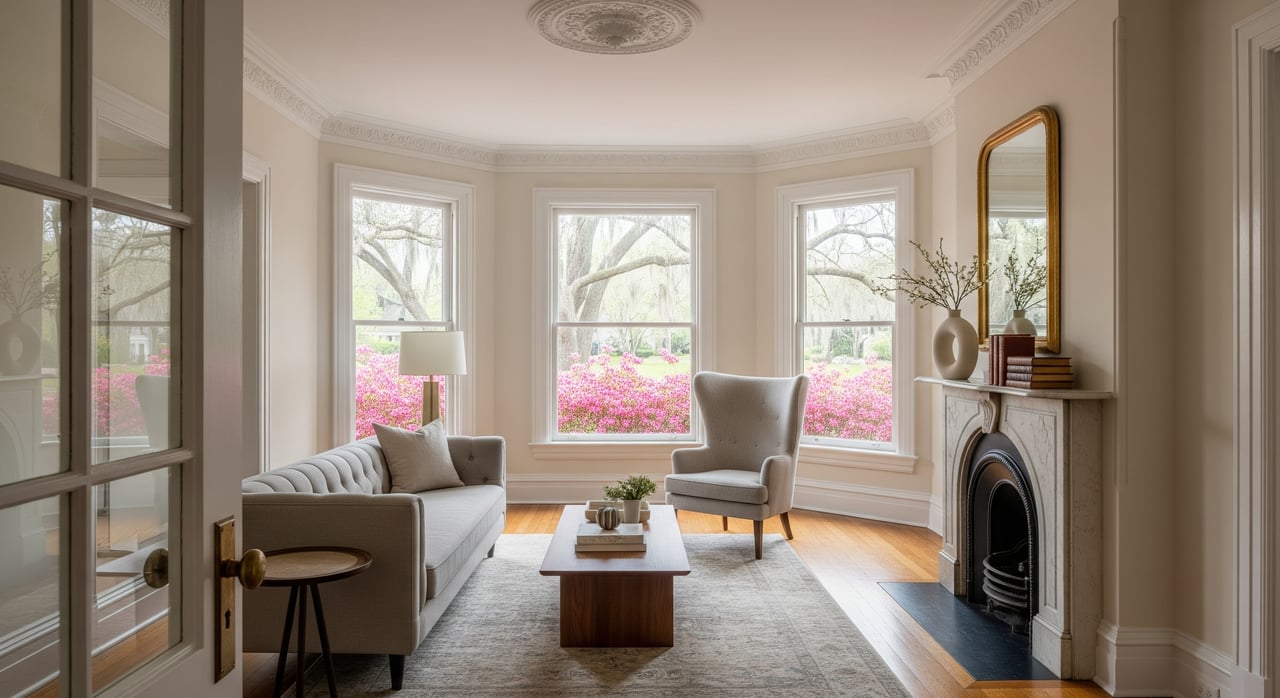
Thinking about selling a historic home in Tyler’s Azalea District and want to protect its charm? You’re not alone. Buyers fall in love with original details, porches, and mature landscaping, but they also want homes that feel move-in ready. In this guide, you’ll learn preservation-smart staging strategies that highlight your home’s character, ease buyer concerns, and help you present beautifully online and in person. Let’s dive in.
Why Azalea District buyers say yes
Buyers in 75701 are drawn to homes with authentic features and a sense of history. Original wood floors, picture rails, built-ins, sash windows, decorative trim, and period fireplaces are major decision points. Well-staged porches and mature trees add to the neighborhood appeal.
Many buyers want the best of both worlds. They love historic details, yet they appreciate updated systems like HVAC, electrical, and plumbing. Downsizers and professionals often value proximity to downtown amenities and outdoor living spaces, especially welcoming porches and tidy gardens.
Your staging should underscore authenticity while signaling that the home is cared for. Focus on reversible improvements and small repairs that create big visual impact.
Check preservation rules first
Before changing any visible exterior features, verify whether your property sits within a local historic overlay or requires review by a preservation commission. Exterior work that alters appearance, such as window replacement, new siding, roof changes, or porch alterations, often needs permits and approval. Interior updates typically have fewer restrictions, but structural, electrical, plumbing, and energy work must meet code.
If your property has historic significance, rehabilitation projects may be eligible for incentives. Check with the Texas Historical Commission and local planning staff for current program details. Use the Secretary of the Interior’s Standards for Rehabilitation as your guiding framework to favor repair over replacement.
When in doubt, call local planning or historic preservation staff before starting exterior prep, paint color changes to large sections, or removing trim. Allow extra time in your timeline if approvals are required.
Interior staging that respects history
Repair and reveal what’s original
Start by making original features the star. Deep-clean or refinish wood floors instead of covering them. Patch plaster and tidy mouldings. Uncover built-ins and mantels that have been hidden by furniture or clutter.
Prioritize visible fixes that reassure buyers. Tighten loose railings, secure trim, and ensure doors and windows open smoothly. Clean hardware and polish surfaces to bring out warmth and craftsmanship.
Color and finishes that lift the space
Choose warm, muted neutrals that flatter original millwork. Keep trim tones historically sympathetic so details read clearly in photos. If you love bold color, reserve it for pillows, throws, art, and rugs that you can swap easily.
Avoid heavy or dark palettes that make rooms feel smaller. Aim for a light, cohesive look that lets architectural lines shine.
Furniture scale and layout
Right-size furniture to the room proportions. Craftsman-era and early 20th-century homes can have cozy rooms or lower ceilings, so lighter silhouettes and classic lines work best. Create clear pathways that show flow and function without blocking sightlines to windows or built-ins.
Use a mix of period-friendly and timeless contemporary pieces. The goal is harmony, not a stage set.
Light and window treatments
Maximize daylight. Keep treatments minimal so original sash windows and muntins are visible. Use sheer panels or simple shades that lift fully.
Where original light fixtures are missing or poor quality, consider historically sympathetic replacements. Always ensure wiring is safe and compliant.
Kitchens and baths buyers notice
Freshness matters more than a gut remodel. Clean or repaint cabinetry, update hardware with styles that complement the period, and keep countertops clear. A simple backsplash update or polished fixtures can go a long way.
Show that the spaces function well. Add a small prep cart or café table to demonstrate usability without overcrowding.
Show modern systems, quietly
Buyers want reassurance on big-ticket items. If you have updated HVAC, electrical panels, plumbing, or a newer roof, present that information in a tidy binder during showings. Keep mechanical elements discreet, housed in closets, attics, or utility rooms when possible.
Documentation builds trust and reduces perceived risk.
Exterior curb appeal that fits the block
Porches that welcome
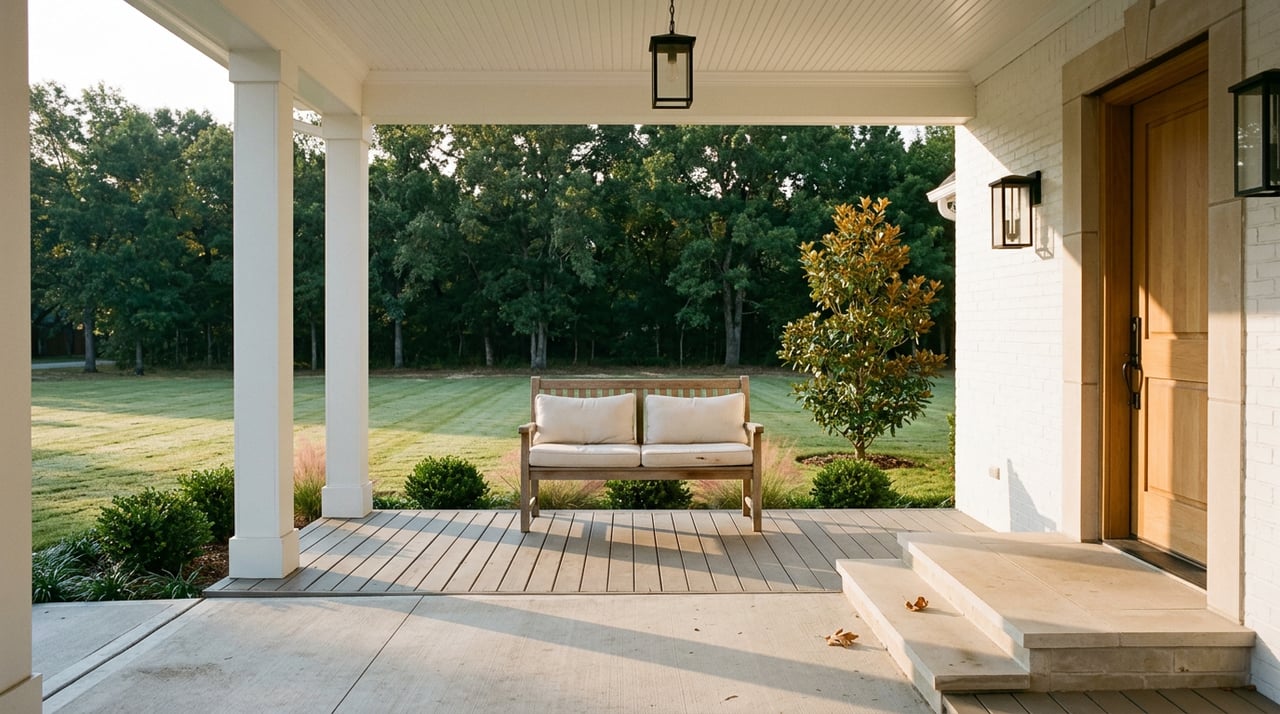
Stage the porch as an outdoor room. A small seating arrangement, outdoor rug, and potted azaleas create a natural invitation. Clear walkways, clean railings, and a freshly painted door can transform first impressions.
Repair porch floors and screens. Add soft, warm lighting that highlights entry details and supports evening showings.
Paint, trim, and details
Repainting is high impact. Choose conservative, complementary palettes that honor your siding material and neighborhood context. Clean or paint railings and steps to signal careful maintenance.
Confirm whether exterior color changes require local review before you start.
Landscaping with azalea shine
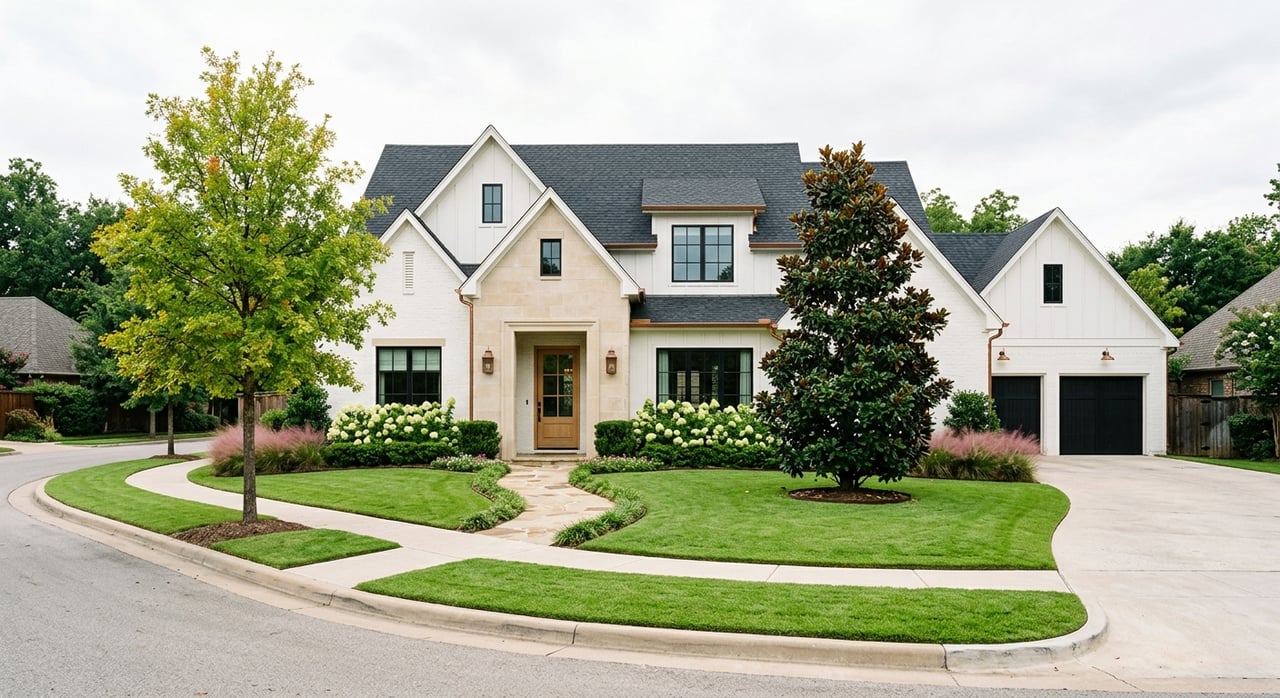
Trim overgrowth to reveal architecture. Emphasize mature trees and existing azaleas where present. Add low-maintenance, native or period-appropriate plantings to frame the façade rather than compete with it.
Avoid overly contemporary landscaping that hides the house. The home should be the focal point.
Windows, doors, and paths
When practical, repair wood sashes and hardware rather than replacing. If replacement is necessary, choose compatible designs and check approval requirements. Clean glass, polish hardware, and ensure easy operation.
Define parking and paths clearly. Tidy sheds and detached garages to show usable storage.
Photo strategy for online impact
Create a preservation-friendly shot list so the right details are captured. Include the front façade, porch and entry sequence, original interior millwork, built-ins, mantels, kitchen and baths, primary bedroom, and yard with azalea plantings.
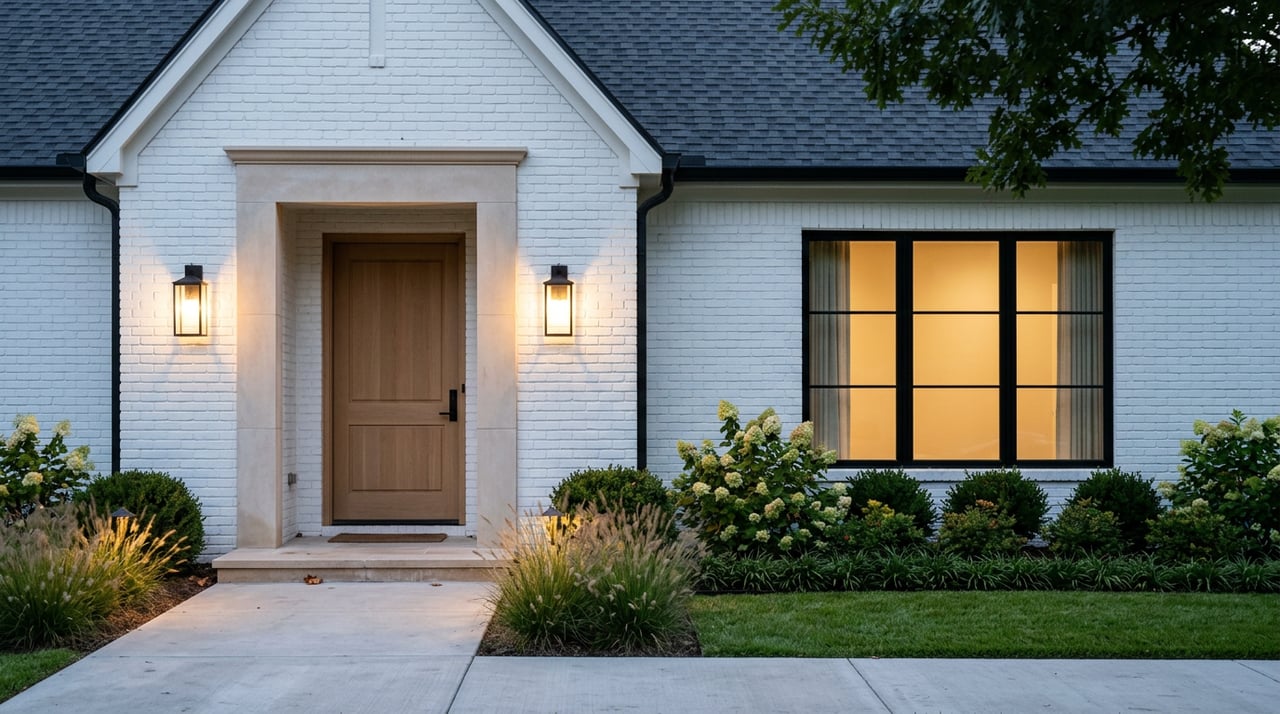
Use neutral, decluttered staging so architectural details stand out. Consider twilight photos to showcase porch lights and landscaping for online appeal.
If you can, plan photography during spring when azaleas bloom. Seasonal color underscores the neighborhood’s identity and helps your listing pop.
Budget roadmap and ROI
Start with fundamentals that prevent deal-breakers, then move to high-visibility upgrades.
- Safety and systems first: address roof leaks, HVAC service, electrical issues, moisture or pest concerns, and structural items.
- High-impact, low-cost wins: paint touch-ups, floor cleaning, porch refresh, lighting swaps, deep cleaning, and yard cleanup.
- Documentation: gather receipts and inspection reports for mechanical work and maintenance.
- Staging and styling: neutralize decor, remove personal items, and add a few period-appropriate accessories and textiles.
Be cautious with large, irreversible changes like full window replacements or major siding alterations unless they are necessary and permitted. In many cases, repair and weatherization offer better returns. A pre-listing inspection helps you prioritize and disclose confidently.
Timeline for 75701 listings
Build in time up front to confirm whether exterior work requires approvals. Plan repairs and deep cleaning before staging and photography. Aim to list when your landscaping is at its best. If possible, photograph during azalea season to highlight curb appeal.
Create a checklist to stay organized:
- Confirm designation status and permit needs.
- Complete safety and system repairs.
- Deep-clean, touch up paint, and repair trim.
- Stage porch and main living areas.
- Prepare documentation for updates and maintenance.
- Schedule professional photography after staging.
Local resources and next steps
For local review processes and district maps, contact City of Tyler Planning and Historic Preservation staff. For state-level guidance and potential incentives for qualifying properties, consult the Texas Historical Commission. Use the Secretary of the Interior’s Standards and Preservation Briefs for repair guidance that favors repair over replacement.
Experienced pros can save you time and protect historic fabric. Consider a preservation-minded contractor, a home stager who understands older homes, a landscape designer familiar with East Texas plantings, and a home inspector who routinely evaluates historic properties.
If you’re ready to position your Azalea District home for a strong sale while honoring its story, let’s talk. Reach out to Breana Johnson to plan a preservation-smart staging and listing strategy tailored to 75701.
FAQs
Will staging damage my home’s historic features?
- Good staging is noninvasive. Use reversible decor and avoid permanent changes without the necessary approvals.
Should I replace original windows for better efficiency?
- Start with repair and weatherization, such as storm windows and weatherstripping. If replacement is necessary, choose compatible units and confirm permit requirements.
What updates do buyers expect in a historic home?
- Safe, reliable systems and functional kitchens and baths. Many buyers accept older aesthetics if utilities are dependable and maintenance is manageable.
Do I need approval to paint my house exterior?
- Paint alone often does not require a permit, but some designated districts restrict color changes. Check with local planning or preservation staff first.
How can I show the value of original features to buyers?
- Stage and photograph details clearly, and provide a factsheet listing original features, approximate dates, and recent repairs or upgrades.