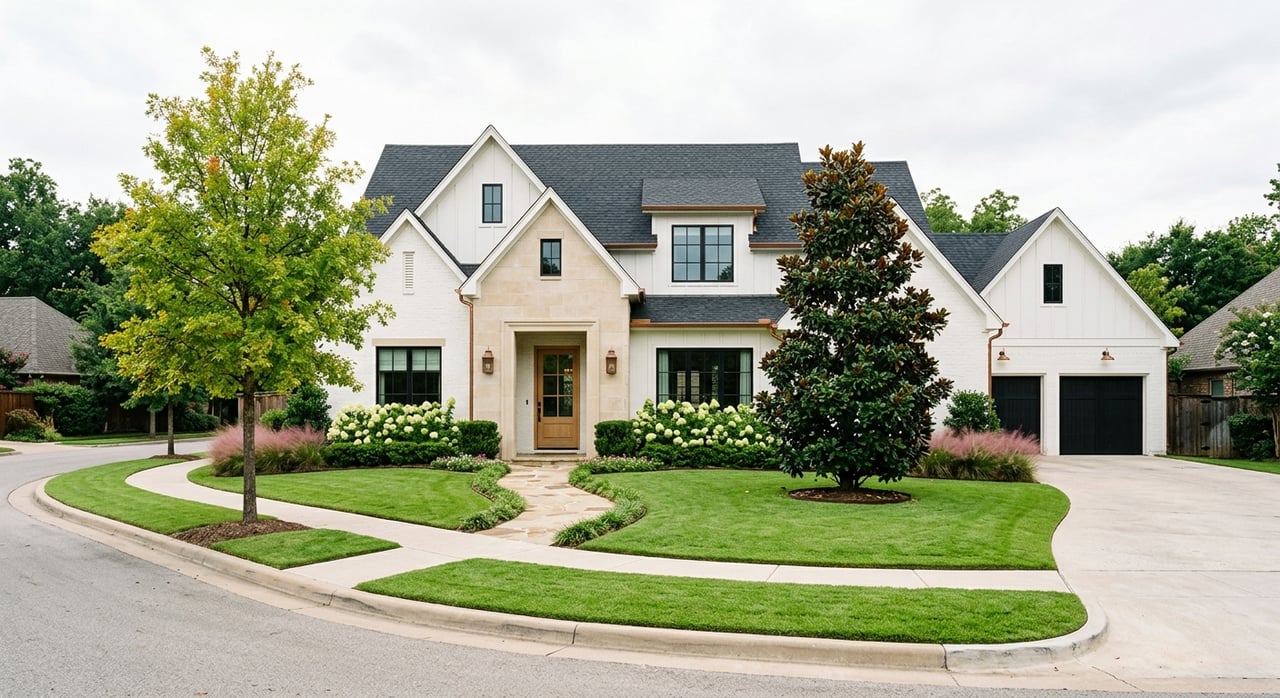
Thinking about buying a rental in South Tyler’s 75703 but not sure where to start? You’re not alone. Many investors see the area’s steady job base and suburban lifestyle and want a clear plan to evaluate deals and boost returns. In this guide, you’ll learn how to assess local demand, run the numbers the right way, and navigate financing, taxes, and compliance so your investment performs in the real world. Let’s dive in.
Why 75703 attracts renters
South Tyler brings together stable employers, suburban neighborhoods, and convenient amenities that support year-round rental demand.
Who lives and works in South Tyler
You’ll find a mix of healthcare professionals, education staff and students, retail and service workers, and remote or hybrid professionals. Local anchors include major hospital systems and higher education institutions that generate steady demand for 1–3 bedroom homes and apartments throughout the year.
Housing types and amenities
The housing stock in 75703 leans toward single-family homes with a growing mix of small multifamily properties. Retail corridors, parks, and everyday services are close by, which helps reduce turnover. Proximity to hospitals and campuses often supports consistent demand for 1–2 bedroom units, while neighborhoods of larger single-family homes attract families looking for 2–3 bedrooms and a yard.
Commute and access
Commuters in 75703 typically enjoy short drives to healthcare campuses, schools, and retail. For investors, that convenience translates into wider renter pools for both small multifamily and single-family rentals.
Risk awareness: flood and safety checks
Before you buy, confirm a property’s flood status and insurance needs. Use the FEMA Flood Map Service Center to verify parcel-level risk and whether flood insurance is required for financing. It’s also wise to review public safety data and trends from local authorities to understand neighborhood-level patterns rather than relying on labels.
- Check flood zones on the FEMA Flood Map Service Center.
Demand and supply in 75703
Understanding who rents, what they rent, and when they move will help you position your property to lease quickly and reduce vacancy.
Renter segments to target
- Healthcare workers: Often prefer 1–3 bedroom homes or condos with simple commutes and flexible lease terms.
- Students and staff: Typically seek 1–2 bedroom units or roommate-friendly layouts near campuses and transit.
- Young professionals and families: Focus on well-maintained single-family homes with parking, storage, and outdoor space.
What tends to lease fastest
In markets like South Tyler, 2–3 bedroom single-family rentals and small 4–8 unit multifamily buildings often perform well. Single-family rentals can command premium rents if updated kitchens, clean landscaping, and pet-friendly policies are in place. Smaller multifamily offers economies of scale and more resilient cash flow if one unit sits vacant.
Seasonality to watch
Expect late summer and early January leasing bumps tied to academic calendars. Plan make-readies and marketing to hit those windows. Holidays can slow activity, so consider renewal incentives that shift lease expirations away from November and December.
New supply and competition
Keep an eye on the City of Tyler’s planning pipeline for new apartments or subdivisions that could shift vacancy or rent trends near your target blocks. Investor competition can change quickly, so tracking permits and local development news gives you an edge.
- Review permits and development activity via the City of Tyler Planning department.
Strategy: property types and positioning
Your investment strategy should match your risk tolerance, capital, and management plan.
Core single-family buy-and-hold
If you want stable, low-touch operations, updated single-family homes with 2–3 bedrooms are a strong fit. Focus on durable finishes, fenced yards where possible, and energy-efficient systems. Pet-friendly policies with thoughtful screening and deposits can widen your renter pool.
Small multifamily plays
Fourplexes and other small multifamily properties create diversification across units and can support on-site improvements that raise all rents, such as common-area upgrades and shared amenities. Professional management is often worth the fee at this scale to keep occupancy high and expenses controlled.
Short-term and mid-term rentals
Short-term rentals may be viable in certain pockets, but always confirm city ordinances and HOA rules before underwriting. Mid-term rentals for traveling healthcare staff can be a niche opportunity, especially for furnished 1–2 bedroom units near hospitals.
ROI math you can trust
You do not need perfect data to make a confident decision. You do need a consistent process and conservative assumptions.
Key metrics and how to calculate them
Use these variables:
- Purchase Price = P
- Monthly Rent = R
- Annual Gross Rent = 12 × R
- Vacancy rate = v (decimal)
- Effective Gross Income (EGI) = 12 × R × (1 − v)
- Annual Operating Expenses (O) = Property taxes + insurance + management + utilities you cover + maintenance + HOA + admin + reserves
- Net Operating Income (NOI) = EGI − O
- Cap Rate = NOI ÷ P
- Annual Mortgage Payment = M (based on loan amount, rate, and term)
- Pre-tax Cash Flow = NOI − M
- Cash-on-Cash Return (CoC) = (NOI − M) ÷ Investor Cash (down payment + closing costs + initial rehab)
- Gross Rent Multiplier (GRM) = P ÷ (12 × R)
- Debt Service Coverage Ratio (DSCR) = NOI ÷ M
What assumptions to use
Vacancy: Start with 5–10% unless verified otherwise.
Expenses: For single-family rentals, total operating expenses often land between 30–50% of EGI, but verify tax and insurance specifically for each parcel.
Management: Many local full-service managers charge 8–12% of monthly rent plus a leasing fee.
Taxes: Texas property taxes are a major line item. Pull the parcel’s actual tax rate and history from the Smith County Appraisal District.
Look up parcel-specific tax rates at the Smith County Appraisal District.
Example walkthrough (plug in your numbers)
Estimate market rent R from nearby rentals with the same bed/bath count and similar condition. Cross-check advertised vs. realized rent with a local property manager.
Choose a conservative vacancy v. If you expect some seasonality or competition from new supply, lean toward the higher end of 5–10%.
Build O by line item: property taxes, insurance, management, maintenance, utilities you cover, HOA, admin, and reserves for capital items.
Compute NOI = 12 × R × (1 − v) − O.
Compute Cap Rate = NOI ÷ P to compare opportunities.
If using financing, calculate M from your lender’s quoted rate and term, then CoC = (NOI − M) ÷ Investor Cash. Many buy-and-hold investors target 6–12% CoC depending on risk and growth goals.
Check DSCR = NOI ÷ M. Lenders commonly look for DSCR at or above 1.2–1.3 for investment properties.
Costs that move the needle in Smith County
Property taxes
Texas has no state income tax, and property taxes play a bigger role in your operating costs. Always verify the combined rate for the exact parcel and account for potential reassessment post-purchase. Even small rate differences can shift your cap rate and cash flow.
- Confirm tax entities, rates, and history through the Smith County Appraisal District.
Insurance
Price landlord policies with local carriers who understand East Texas weather patterns. If a property sits in a Special Flood Hazard Area, flood insurance will be required for federally backed loans and should be included in your operating budget. Consider loss-of-rent coverage if a unit is uninhabitable after a covered event.
- Verify flood status using the FEMA Flood Map Service Center.
Management and maintenance
If you plan to self-manage, budget for your time. If you hire a manager, expect 8–12% for ongoing management plus a leasing fee. For maintenance and capital reserves, set aside funds based on age and condition. Many investors plan annual reserves for big-ticket items like roof, HVAC, paint, and appliances.
Financing and tax planning basics
Common financing paths
- Conventional investment mortgages: Often 15–30% down with higher rates than owner-occupied loans.
- DSCR or portfolio loans: Qualify based on the property’s income rather than personal income, useful for scaling.
- Hard money or private lending: Short-term funds for renovations or BRRRR strategies; higher rates and fees.
- Local banks and credit unions: Can be competitive for area investors. Shop terms and prepayment options.
Key tax concepts
Depreciation: Residential rentals depreciate over 27.5 years. This non-cash expense can lower your taxable income. Review the IRS guide for details.
1031 exchanges: Can defer capital gains when you sell and reinvest in like-kind property. Work with a qualified intermediary and professional advisors.
Recordkeeping: Keep rent rolls, invoices, and proof of capital improvements for accurate basis and depreciation.
Review residential rental property rules in the IRS publication on rental real estate.
Legal and compliance essentials
Texas landlord-tenant basics
Texas sets rules on deposits, disclosures, and eviction procedures in the Texas Property Code. Understand notice timelines, how to handle deposits, and required disclosures before you market or lease a unit.
- Read relevant sections in the Texas Property Code.
Local registration and zoning
Check the City of Tyler for any rental registration, inspections, or code enforcement requirements. If you are considering short-term rentals, confirm zoning and permitting guidance before purchasing.
- Consult the City of Tyler Planning department for current rules.
Fair housing and advertising
Follow federal fair housing laws when marketing and screening. Use neutral, factual language about neighborhoods and schools, and apply screening criteria consistently.
- Review HUD fair housing guidance.
Required disclosures and insurance
For homes built before 1978, include lead-based paint disclosures. If a property has known flooding history or sits in a higher-risk area, communicate that transparently and ensure proper coverage. Consider an umbrella policy to protect personal assets across a portfolio.
Acquisition and management checklist
Use this step-by-step list from first look to first lease.
- Run comps: Pull recent rental and sale comps on nearby blocks with similar bed/bath count and property type. Verify realized rents with a local property manager.
- Estimate rent and vacancy: Set R and v, then underwrite conservatively.
- Price taxes and insurance: Use the Smith County Appraisal District for parcel-specific tax rates and history, and obtain insurance quotes based on replacement cost and flood status.
- Confirm flood zone: Check the FEMA Flood Map Service Center and order an elevation certificate if needed.
- Inspect thoroughly: General, roof, HVAC, foundation, and pest inspections. Plan to address moisture and HVAC issues common in humid climates.
- Review existing leases: If tenant-occupied, confirm rent rolls, deposits, payment history, and expense records.
- Scope rehab and reserves: Get bids, include a contingency, and build realistic capital reserves into your pro forma.
- Verify utilities and HOA: Confirm who pays water, sewer, trash, and what HOA rules impact leasing or short-term stays.
- Choose management: Self-manage or hire a local manager with clear fees, reporting cadence, and service-level expectations.
- Set marketing plan: Prep professional photos, accurate descriptions, and publish listings on platforms favored by local renters.
Exit strategies and risk mitigation
- Hold and refinance: Build equity, raise rents with value-add improvements, and refinance to recycle capital.
- 1031 exchange: Swap into larger or better-located property to scale tax-efficiently.
- Monitor market risks: Track employer expansions or layoffs and new supply that could affect vacancy and rents.
- Diversification: Avoid placing all units on the same street unless you have strong management efficiencies.
- Regulatory awareness: Stay current on local rules and state law for lease terms, notices, and code compliance.
Ready to evaluate a property or assemble a shortlist in 75703? Get neighborhood-level insight, vetted rent comps, and a clear plan from a local specialist. Connect with Breana Johnson to schedule a consultation and map your next investment move in South Tyler.
FAQs
What makes 75703 attractive for rental investing?
- A steady job base, suburban housing stock, and convenient amenities support year-round demand from healthcare workers, students, and families.
How should I estimate vacancy for a South Tyler rental?
- Start with a 5–10% vacancy assumption unless your manager provides property-specific data that supports a different figure.
How do I estimate property taxes for a 75703 rental?
- Pull the parcel’s tax entities, rates, and history from the Smith County Appraisal District, then budget for possible reassessment after purchase.
Are short-term rentals allowed in Tyler, TX?
- It depends on zoning, city rules, and HOA restrictions; check current guidance with the City of Tyler Planning department before you buy.
What property management fees are typical in South Tyler?
- Many full-service managers charge 8–12% of monthly rent plus a leasing fee for tenant placement and initial marketing.
Do I need flood insurance in South Tyler?
- If the parcel is in a Special Flood Hazard Area, lenders will require flood insurance; verify status on the FEMA Flood Map Service Center and budget accordingly.