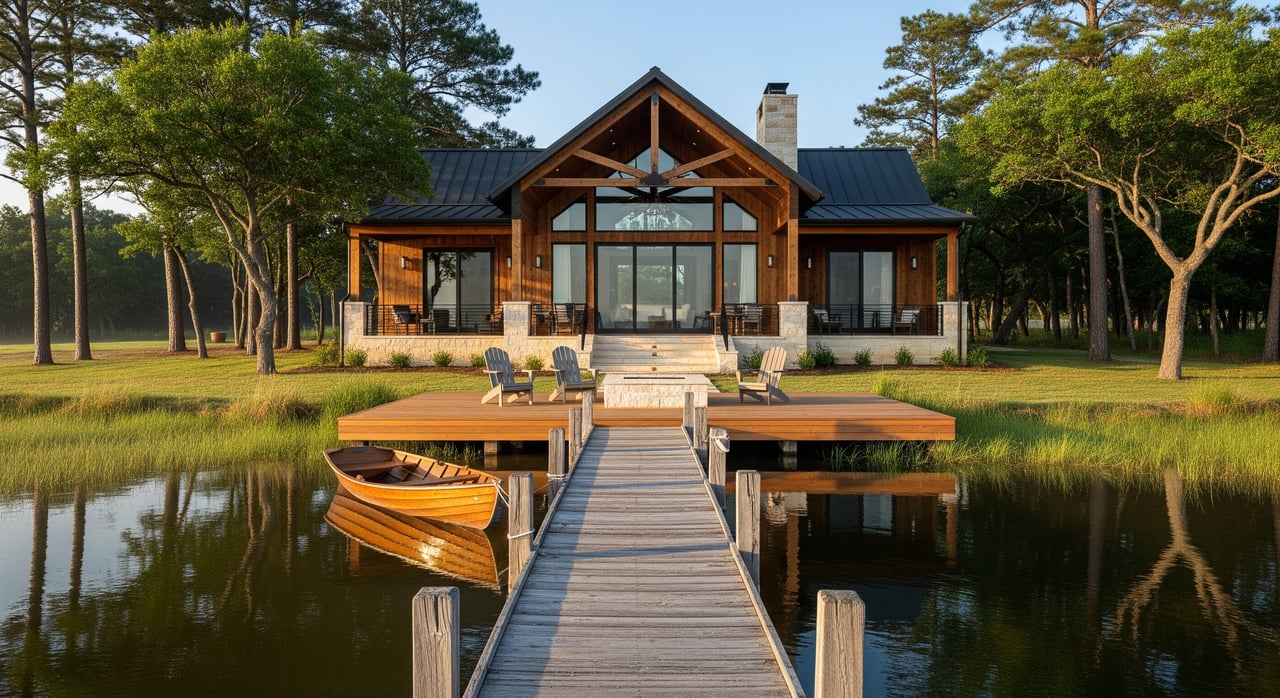
Thinking about turning a Bullard-area lake home into a short-term rental near Lake Palestine? You are not alone. Weekend demand around the lake is strong, but the rules, taxes, and logistics can feel confusing when the shoreline spans multiple counties and neighborhoods. In this guide, you will learn how to check legality, plan for taxes and permits, model costs and income, and launch with confidence. Let’s dive in.
Why Lake Palestine STRs work
Lake Palestine draws visitors from Tyler, Canton, and parts of the Dallas–Fort Worth metroplex. People come for boating, fishing, family gatherings, and easy weekend getaways. That steady regional traffic supports well-run short-term rentals.
Demand peaks in spring and summer, especially on holiday weekends. You will see slower shoulder seasons in cooler months, and rates often follow the weather. Many successful hosts focus on weekend bookings and build pricing around those high-demand dates.
Know your location and rules
Lake Palestine touches several counties, and Bullard straddles Cherokee and Smith counties. Rules can change by city, county, and even subdivision. Start by confirming if a property sits inside Bullard city limits or in unincorporated county. Then check the specific county offices and any HOA for the address.
HOAs and deed restrictions often set the ground rules. Some subdivisions allow short-term leasing with registration. Others restrict it or set occupancy and parking limits. Get written confirmation so you are not relying on hearsay.
Registration and permits
Some Texas cities and counties require a short-term rental registration or a business license. There may be safety inspections as part of the process. Call Bullard City Hall, Cherokee County officials, and the HOA to confirm what applies at the exact address.
Taxes you must collect
Texas imposes a statewide hotel occupancy tax of 6% on short-term stays. Cities and counties may add their own occupancy or venue taxes on top of the state rate. Hosts are generally responsible for collecting and remitting required taxes. Verify the correct rates and filing rules with the Texas Comptroller and the local tax authority for the property.
Docks, shoreline, and septic
If the home has a dock or you plan to add one, treat permitting as a must-verify item. Docks and shoreline work often require approvals from county or other local authorities, and rules can vary by location. Do not assume a new or replacement dock will be approved without checking.
Many lake homes use septic systems and private wells. Older systems can be stressed by frequent guest turnover. Confirm capacity, setbacks, and permit status with the county health or environmental department. Ask for records of inspections and pumping.
Safety and code
Local rules may require smoke and carbon monoxide detectors, fire extinguishers, safe egress, and clear emergency information. Amenities like pools and hot tubs can trigger additional safety requirements. Plan to comply with inspections and codes that protect guests and your liability.
Running the numbers near Bullard
Before you buy or convert a home, model revenue and costs for the exact property. Use short-term rental analytics platforms and live listing research to estimate nightly rates, occupancy, and seasonality. Compare similar amenities, such as waterfront access, dock, boat parking, and proximity to ramps.
Revenue drivers
Waterfront homes with docks usually command higher rates. Near-lake homes can perform well when they offer easy access and strong value. Holiday weekends, fishing seasons, and summer weeks can lift average daily rate and occupancy. Minimum stays, cleaning fees, and discounts for longer visits are tools you can adjust to shape demand.
Costs to budget
- Property management if you do not self-manage
- Cleaning and turnover between stays
- Utilities like electric, water, internet, and trash
- Maintenance, landscaping, dock care, and septic pumping
- Consumables such as linens, toiletries, and pool chemicals
- Insurance, accounting, and listing platform fees
Full-service property managers commonly charge around 20 to 35 percent of rental revenue. Build that into your cash flow plan if you want hands-off operations.
Insurance and risk
Standard homeowner policies often exclude short-term rental activity. Ask your agent about a dwelling or investment policy with short-term rental coverage. An umbrella policy can add protection. Waterfront properties may come with higher liability exposure and insurer safety requirements.
Financing and tax basics
If you plan to use a property strictly as an investment, owner-occupied loan programs generally will not fit. Conventional investment loans are available, but they usually require larger down payments and can carry higher rates. Some lenders limit short-term rental activity or require disclosure.
Rental income is taxable at the federal level. You can often deduct ordinary expenses, depreciation, and mortgage interest against rental income. The level of services you provide may affect tax treatment, so consult a CPA. Texas has no state personal income tax, but the state hotel occupancy tax and any local occupancy taxes still apply.
If you plan to sell later, keep clean records for capital gains and depreciation recapture. A 1031 exchange may help defer taxes for qualifying investment property sales. Work with a qualified tax advisor for details.
Buyer due diligence checklist
- Confirm the exact jurisdiction for the address: Bullard city limits or county, plus which county applies
- Verify zoning and whether short-term rentals are allowed
- Review HOA covenants and any required approvals
- Ask about local STR registration, business license, and safety inspections
- Inspect septic and well capacity and pull permit and pump records
- Check dock and shoreline permit status and feasibility for changes
- Obtain flood zone designation, elevation certificate, and a flood insurance estimate
- Get insurance underwriting guidance for STR coverage early
- Run revenue comps with STR analytics and live listing research
- Gather estimates for management, cleaning, utilities, maintenance, and HOA fees
- Confirm on-site parking and neighborhood parking rules
Selling a Lake Palestine STR
If you plan to sell or market a home as a furnished short-term rental, prepare a clean performance package. Include occupancy, average daily rate, gross revenue, and expense summaries. Make sure local licenses and taxes are current and transferable when possible. Provide HOA documents and permits for docks, pools, and other improvements, plus a maintenance log.
Launch your STR step by step
- Confirm legality, zoning, and HOA rules for the address.
- Register locally if required and complete any safety inspections.
- Register for state and local occupancy taxes and set up collection and remittance.
- Secure STR-appropriate insurance and set safety equipment and inspections.
- Build listings with professional photos, clear amenities, and firm house rules.
- Set a pricing strategy with seasonal rates, minimum stays, and cleaning fees.
- Create an operations plan for guest communication, cleaning, and maintenance.
Common pitfalls to avoid
- Skipping HOA or deed restriction review and finding out later that STRs are limited
- Assuming a dock can be added or rebuilt without proper permits
- Overlooking septic capacity for frequent guest turnover
- Underestimating winter seasonality and cash flow needs
- Carrying the wrong insurance for short-term rental activity
Ready to explore a short-term rental near Lake Palestine with a local guide who understands the details? I can help you verify rules, model cash flow, and find a property that fits your goals. Reach out to Breana Johnson to Schedule a Consultation.
FAQs
Is a short-term rental legal in Bullard and Cherokee County?
- It depends on the property’s exact location, zoning, and any HOA rules. Confirm with Bullard City Hall, Cherokee County officials, and the HOA for the address.
What taxes do I owe as an STR host near Lake Palestine?
- Texas requires a statewide 6 percent hotel occupancy tax, and cities or counties may add local occupancy taxes. You must collect and remit the correct amounts.
Do I need special insurance for a lakeside STR?
- Most hosts need a dwelling or investment policy with short-term rental coverage, plus an umbrella policy for added protection. Ask your insurer about waterfront requirements.
Can I add or replace a boat dock on Lake Palestine?
- Possibly, but docks and shoreline work often require permits from local authorities. Verify feasibility and approvals before planning improvements.
How much can a Lake Palestine STR earn each year?
- Income varies by location, amenities, seasonality, and management. Use STR analytics and live listing comparisons to estimate nightly rates and occupancy for the exact property.