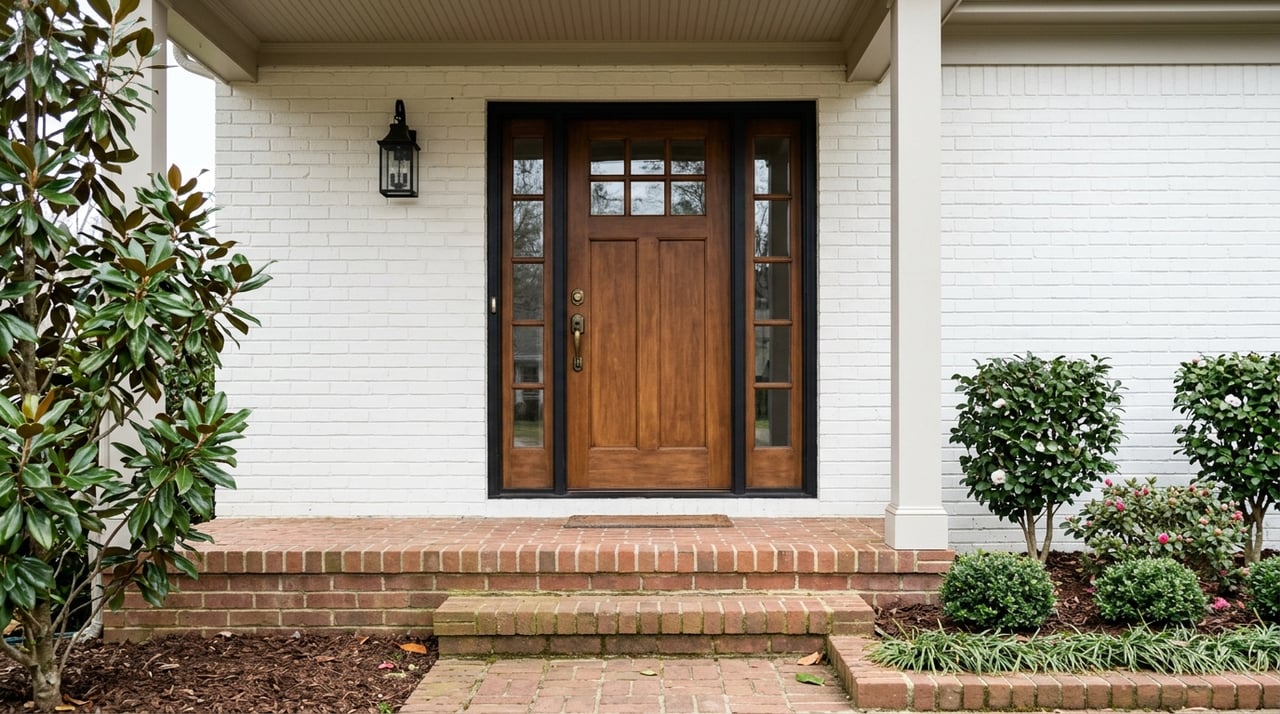
Dreaming about a home with original charm, mature trees, and a story you can feel the moment you pull up? Buying in Tyler’s Azalea District can be incredibly rewarding, but it also asks more of you than a typical home purchase. If you are considering a historic home here, it helps to know what makes the district special, what issues to inspect closely, and how local preservation rules may affect your plans. Let’s dive in.
Why the Azalea District Stands Out
Tyler’s Azalea Residential Historic District is one of the city’s best-known historic neighborhoods and its largest residential concentration of early- to mid-20th-century homes. According to the National Register listing, the district includes homes built across several periods of significance from 1900 through 1974, with notable Colonial Revival and Tudor Revival architecture.
The area is also known for its broad architectural mix. Historic Tyler notes that you may find Queen Anne, Craftsman, Classical Revival, Ranch, Tudor, and International styles throughout the district. That variety is a big part of the appeal if you want a home that feels distinct rather than cookie-cutter.
The neighborhood’s identity is closely tied to Tyler’s growth during the 1930s oil boom and to community landmarks like Bergfeld Park and the annual Azalea Trails. For you as a buyer, that history often translates into a strong sense of place, mature streetscapes, and homes with details that are difficult to recreate in new construction.
What Buying a Historic Home Really Means
In the Azalea District, you are often buying character first and modernization second. Many homes still have original or older materials, design details, and layouts that reflect the era in which they were built.
That can be a major plus if you love craftsmanship, wood windows, brickwork, trim, built-ins, or unique floor plans. It also means you should look beyond surface updates and understand what is original, what has been changed, and what may need preservation-minded repair.
The National Park Service rehabilitation guidance recommends a clear order of thinking: protect and maintain first, repair second, and replace only when needed. For you, that mindset matters during showings, inspections, and repair negotiations because preserving original features can affect both cost and decision-making.
Check Historic Status Early
One of the most important early steps is confirming exactly how a property is designated. The City of Tyler directs owners and buyers to use its Property Search Viewer to check whether a home is within a National Historic District.
That distinction matters because National Register listing by itself does not restrict private property use. However, if a home also has local landmark or overlay status, city review may come into play before certain exterior work and before a building permit is submitted.
The city also explains that Tyler’s local preservation system can overlap with National Register districts in some cases. You can learn more through the city’s overview of historic designations and landmarks. In practical terms, that means two homes on nearby streets may come with very different approval requirements.
Look Closely at Condition and Systems
Historic homes can be wonderful, but they reward careful due diligence. A standard inspection is a starting point, not the finish line.
Freddie Mac explains that a home inspection typically happens after your offer but before closing, and its checklist includes the roof, plumbing, electrical components, HVAC, windows, fireplace and chimney, foundation, attic, basement, and floors. You can review that guidance in this home inspection overview.
For an Azalea District home, it is smart to expect follow-up inspections when needed. Depending on the property, that may include specialists for:
- Foundation concerns
- Roof condition
- Moisture intrusion
- Chimney issues
- Electrical updates
- Plumbing age or repairs
- Lead-safe renovation planning
This is especially important because many homes in the district were built between the 1920s and early 1950s. Older systems may still function, but age alone can affect safety, efficiency, and budgeting.
Pay Attention to Moisture Issues
Moisture is one of the biggest things to watch in an older home. The National Park Service guidance on moisture infiltration notes that historic houses can be drafty and vulnerable to water entry through missing mortar, roof problems, clogged gutters, and gaps around windows and doors.
When you tour or inspect a home, look for clues that water may have been getting where it should not. That can include staining, peeling paint, soft wood, musty odors, visible cracks, or heavy landscaping pressed too close to the exterior.
You will also want a clear picture of roof age, flashing condition, gutter performance, drainage patterns, siding condition, and the sealing around windows and doors. In many historic homes, preventing water damage is just as important as fixing damage that has already happened.
Understand Lead Paint Rules
If the home was built before 1978, you should assume lead-based paint may be present unless testing proves otherwise. The research for this area notes that older homes are more likely to contain lead paint, and the EPA requires disclosure before most sales of pre-1978 housing.
That matters in the Azalea District because so many homes predate 1978. The EPA also gives buyers a 10-day period to inspect or assess for lead hazards during a sale, and the odds are especially high in older homes, including many built before 1940.
If you plan to renovate after closing, this affects contractor selection too. Paid renovation work that disturbs paint in pre-1978 homes must be handled by trained and certified lead-safe contractors. That is an important line item to build into your budget from day one.
Budget Beyond the Cosmetic Wish List
Historic-home budgets often stretch beyond what you can see during a quick showing. A beautiful kitchen or updated bathroom does not always mean the roof, drainage, trim, windows, or mechanical systems have been addressed.
A more realistic budget usually includes both visible repairs and hidden work. In a home like this, common categories may include:
- Roof and flashing repairs
- Drainage and gutter improvements
- Masonry or mortar repair
- Wood siding or trim repair
- Window restoration or repair
- Electrical or plumbing updates
- Lead-safe preparation for renovation
- Moisture remediation
The National Park Service supports preserving character-defining materials when possible, which can mean repair is preferred over replacement. That is often the right long-term move for the home, but it can affect pricing and timelines.
Know When Approvals May Affect Your Timeline
If a property has local landmark or overlay status, you may need a Certificate of Appropriateness before certain exterior changes or before permits are issued. The City of Tyler’s historic preservation application page is the place to verify how that process works.
This is one reason historic-home purchases benefit from early planning. If you know you want to replace windows, alter siding, change exterior materials, or make other visible changes, it is wise to check the rules before you finalize your renovation budget or closing timeline.
In other words, you are not only inspecting the house. You are also inspecting the process.
What Incentives May Apply
Some buyers assume every historic home comes with major tax breaks, but that is not always the case. In Tyler, local preservation incentives are tied to designation.
The city states that a local historic landmark may qualify for a tax abatement equal to 50% of City ad valorem taxes. The city also offers a rehabilitation abatement for designated historic landmarks that can exempt 100% of the increase in assessed value for five years if the rehabilitation costs at least $30,000 and is completed within two years after a Certificate of Appropriateness. You can review those details on the city’s page about historic designations and landmarks.
It is also important to set expectations about state incentives. The Texas Historical Commission states that the statewide historic preservation tax credit applies to certified historic structures used for income-producing or nonprofit purposes, not typical owner-occupied residential homes. For most buyers planning to live in the home, local rules and long-term value matter more than a state rehab credit.
A Smart Buying Strategy for the Azalea District
If you are serious about buying in this part of Tyler, your strategy should balance emotion and evidence. It is easy to fall in love with curb appeal, original details, and the lifestyle the neighborhood offers. The key is making sure the home’s condition, designation, and future maintenance fit your goals.
A practical approach usually looks like this:
- Confirm the property’s historic status early.
- Review what appears original versus altered.
- Get a general inspection after your offer is accepted.
- Bring in specialists when the first inspection points to roof, foundation, moisture, chimney, or system concerns.
- Ask questions about lead-paint precautions if the home predates 1978.
- Price out preservation-sensitive repairs before closing when possible.
- Factor approval timelines into any exterior renovation plans.
That process helps you move forward with more confidence and fewer surprises.
Why Guidance Matters in a Historic Purchase
Buying a historic home is not just about finding the right house. It is about understanding the neighborhood, reading inspection findings clearly, planning repairs wisely, and staying ahead of rule-related surprises.
That is where local guidance can make a real difference. If you want help evaluating homes in Tyler’s Azalea District, comparing opportunities, and building a smart plan around inspections and next steps, connect with Breana Johnson for personalized support through every stage of the process.
FAQs
What makes a home in Tyler’s Azalea District historic?
- Homes in the Azalea Residential Historic District are part of a nationally recognized area known for early- to mid-20th-century architecture, with periods of significance from 1900 through 1974 according to the National Register listing.
Do homes in Tyler’s Azalea District have renovation restrictions?
- A home’s rules depend on its designation. National Register status alone does not restrict private property use, but local landmark or overlay status may require a Certificate of Appropriateness before some exterior work.
Should you get extra inspections on a historic home in Tyler?
- Yes. A general home inspection is the starting point, but many historic homes also benefit from specialist review for roof issues, foundation concerns, moisture intrusion, chimney condition, or older systems.
Is lead paint a concern in older homes in Tyler’s Azalea District?
- It can be. Many homes in the district were built before 1978, so buyers should expect lead-paint disclosures and consider inspections or assessments for lead hazards when appropriate.
Are there tax incentives for buying a historic home in Tyler?
- Possibly, but not automatically. Certain local incentives may apply to designated historic landmarks, while the Texas statewide historic tax credit does not apply to most owner-occupied residential homes.
What should you budget for when buying an older home in Tyler’s Azalea District?
- In addition to cosmetic updates, you should plan for possible roof work, drainage fixes, moisture repairs, lead-safe renovation costs, and preservation-minded repairs to windows, siding, masonry, or trim.